
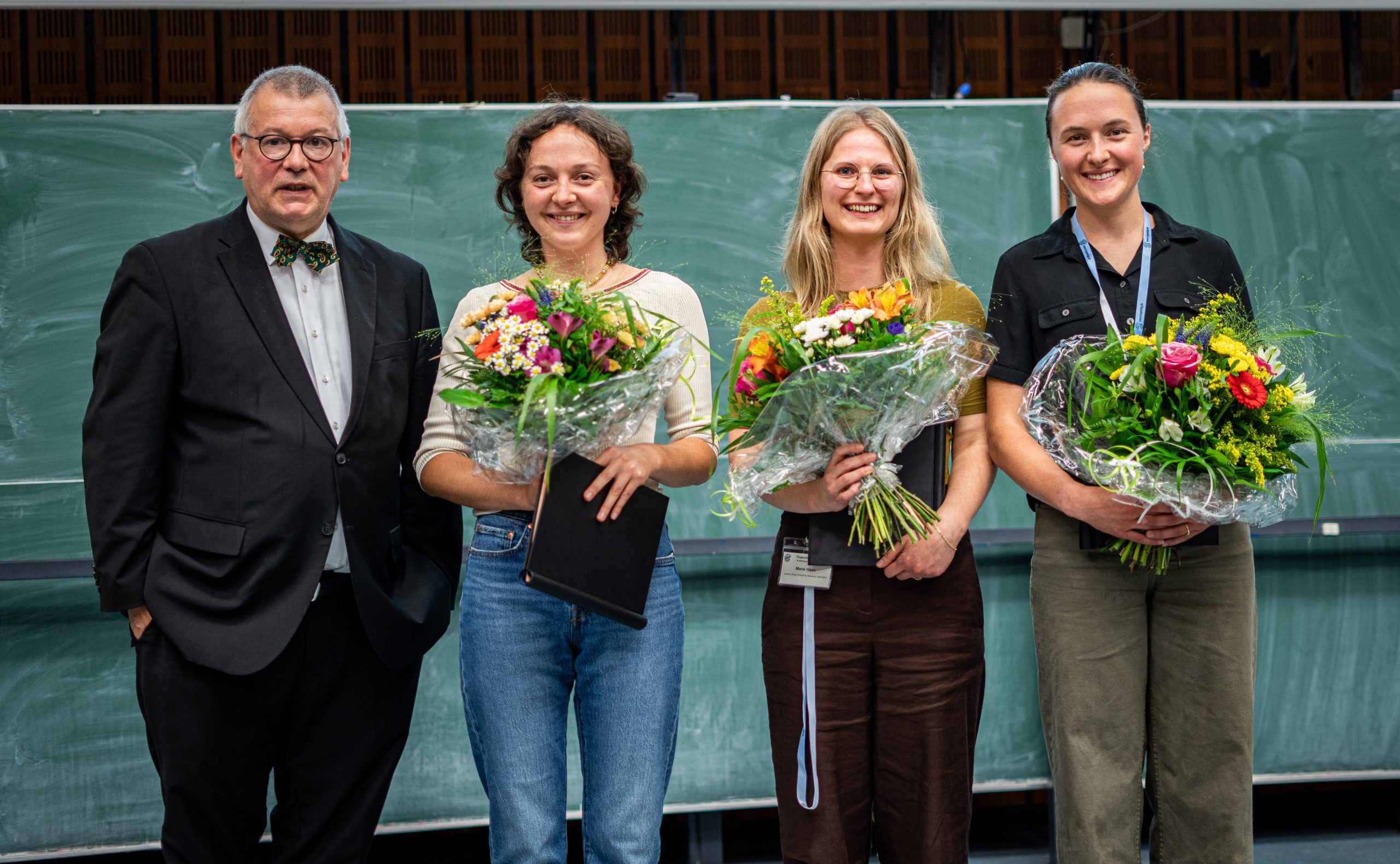
Three young researchers were honoured with the Hans H. Ruthenberg Graduate Award 2026 at Tropentag in Göttingen for outstanding research on potato breeding, nutrition and agroecology. (Photo: Adesoji Adeyemi-Adejolu)
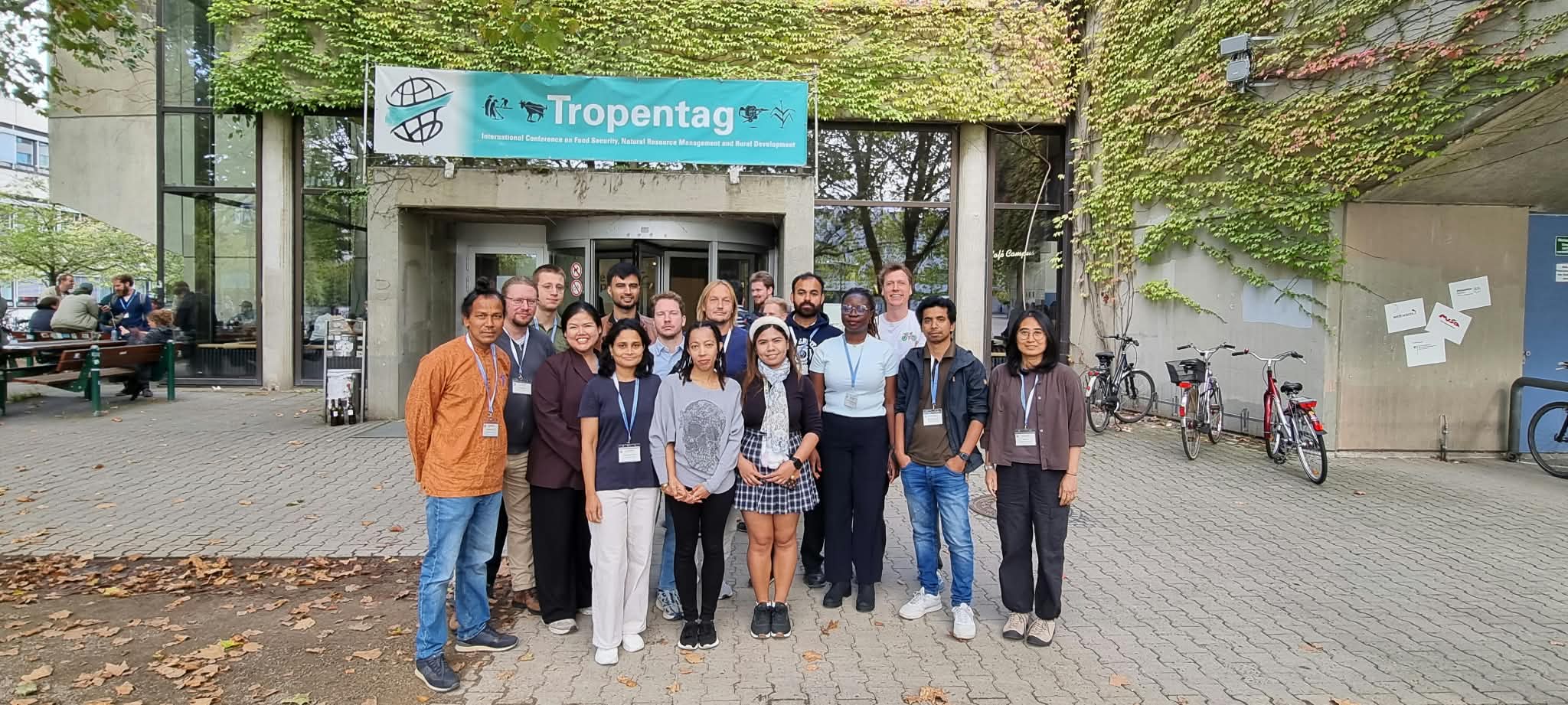
At Tropentag 2026, an ARTS community gathering took an unexpected and painful turn. As alumni, students and faculty came together to remember their 2026 Nepal excursion, they were also confronting the urgent reality facing one of their own. ARTS alumnus Bhogendra Khatri has been missing since the devastating flash flood in Rasuwa on 26 August. As his family continues to wait, the ARTS community is coming together to support him and other families affected by the disaster.
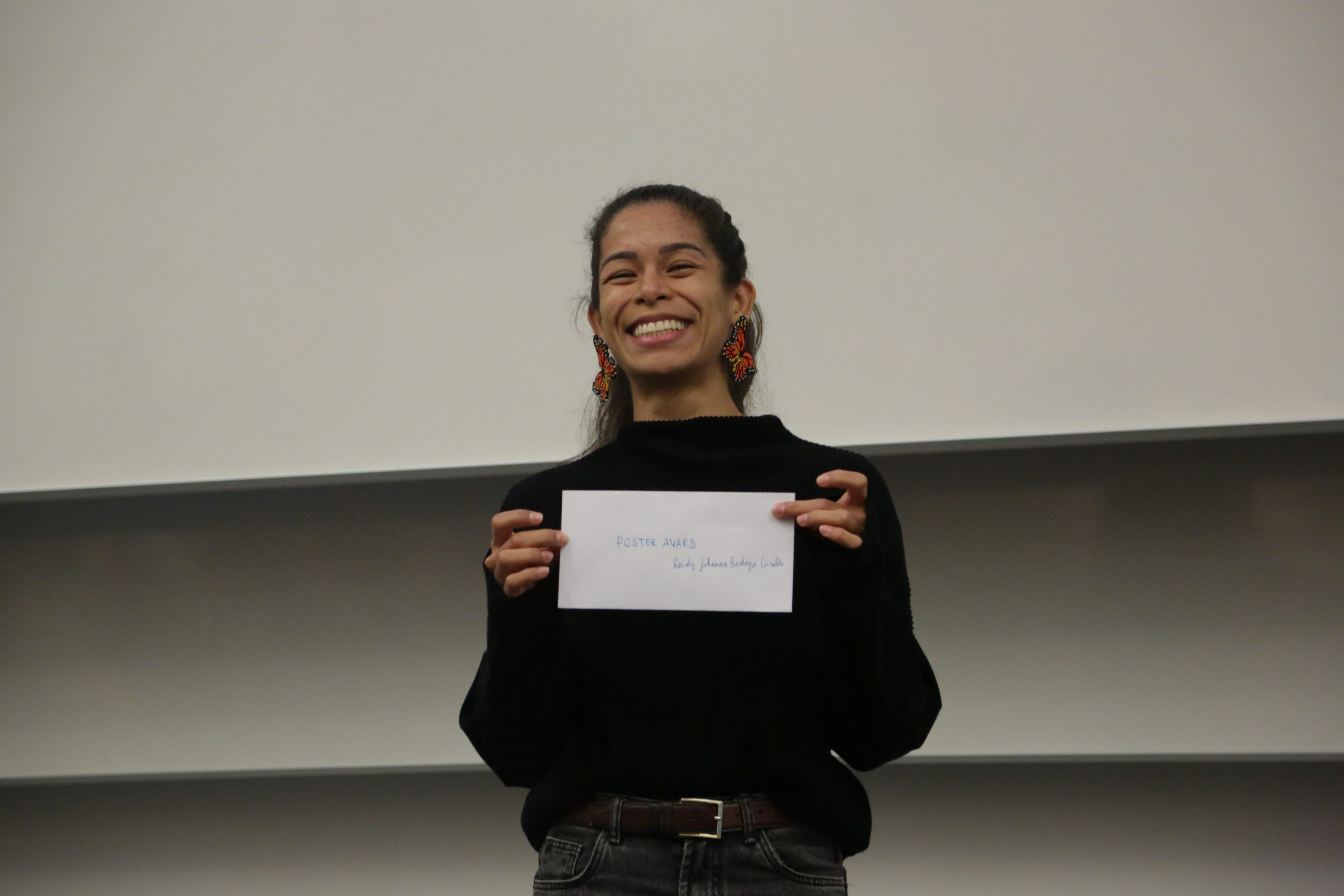
How local knowledge and adaptive practices are redefining conservation and livelihoods in one of the world’s most vital ecosystems. In the vibrant bustle of Tropentag 2025, one poster quietly pulled visitors in. Its muted greens
In conference halls, paradigms compete. In the fields, farmers blend whatever works.
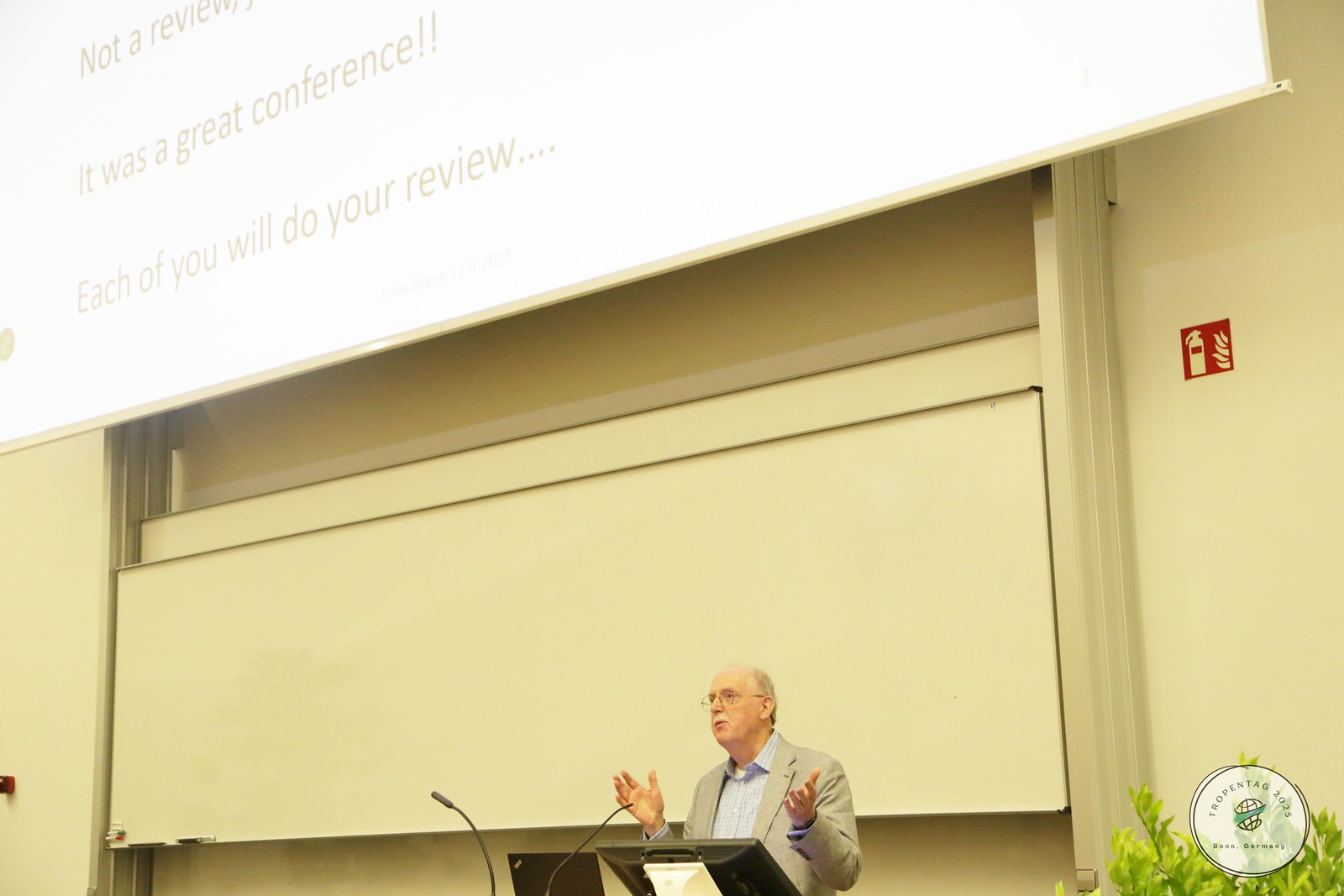
The hard questions for agriculture are inseparable from the hard questions facing society.
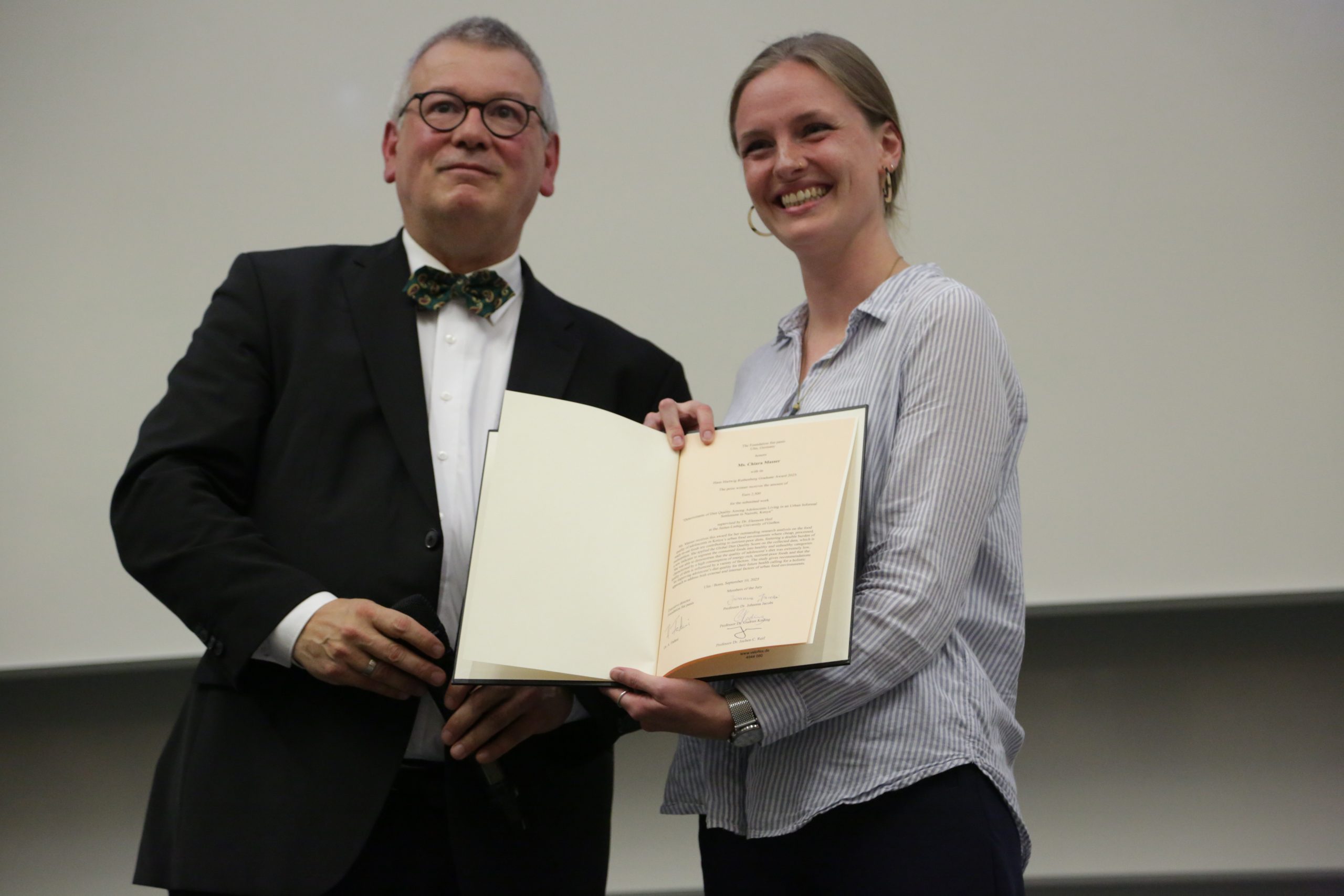
In Nairobi’s informal settlements, teenagers know healthy eating matters—but poverty and limited food choices keep balanced diets out of reach. At Tropentag 2025, Chiara Masser from Justus Liebig University Giessen presented striking new evidence on
Cleaner skies are on the horizon, but unless we prepare, they could also bring tougher times for farmers.
If rice is on half the world’s plates, its future should concern us all
Land must be understood…
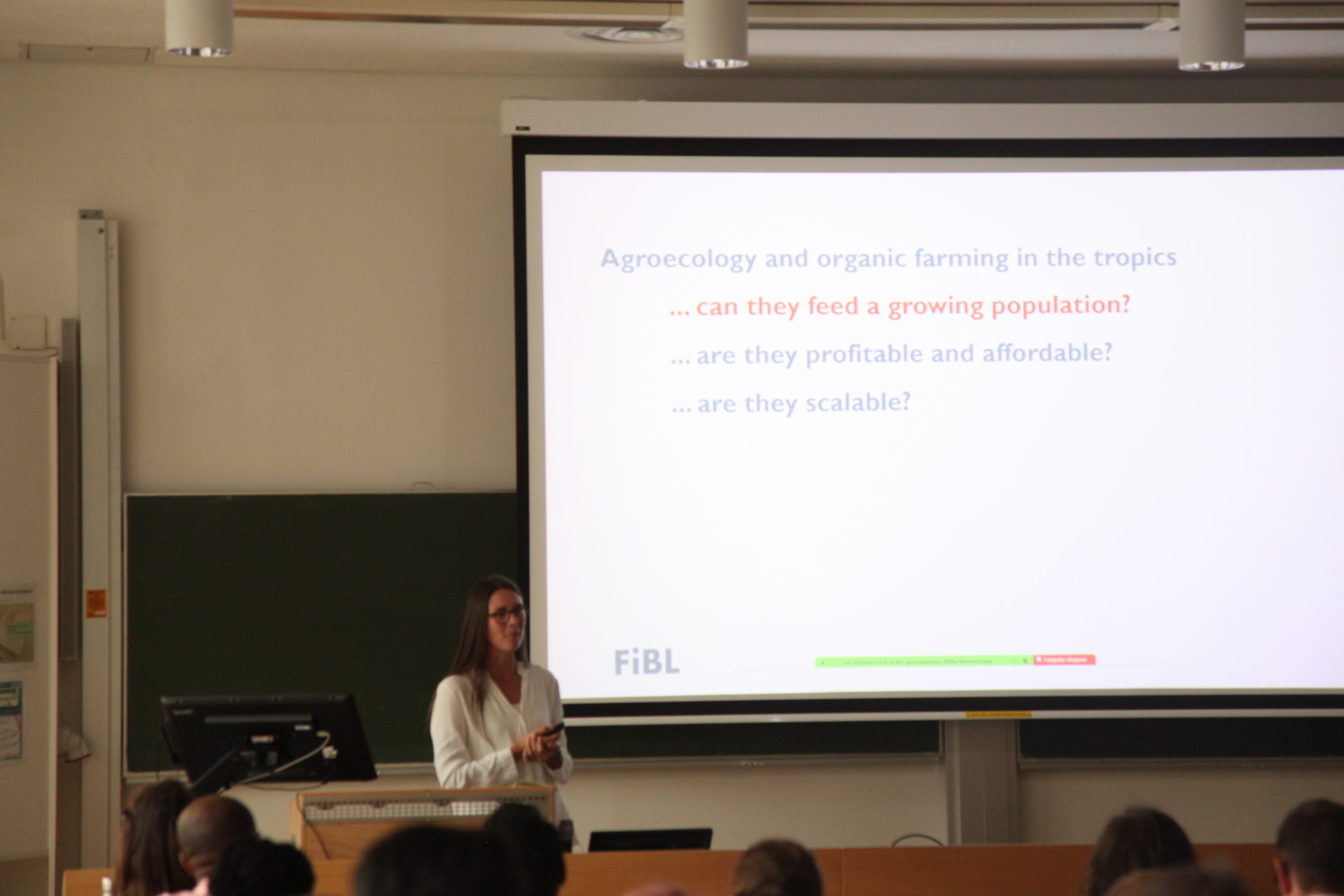
Due to lower quantities per hectare compared to conventional methods, organic agriculture is seen as an unrealistic strategy to feed the world. The yield gap is what separates the two, currently positioning us at the shoreside of intensified, conventional farming. But is this yield difference as conclusive as it seems?
View More