
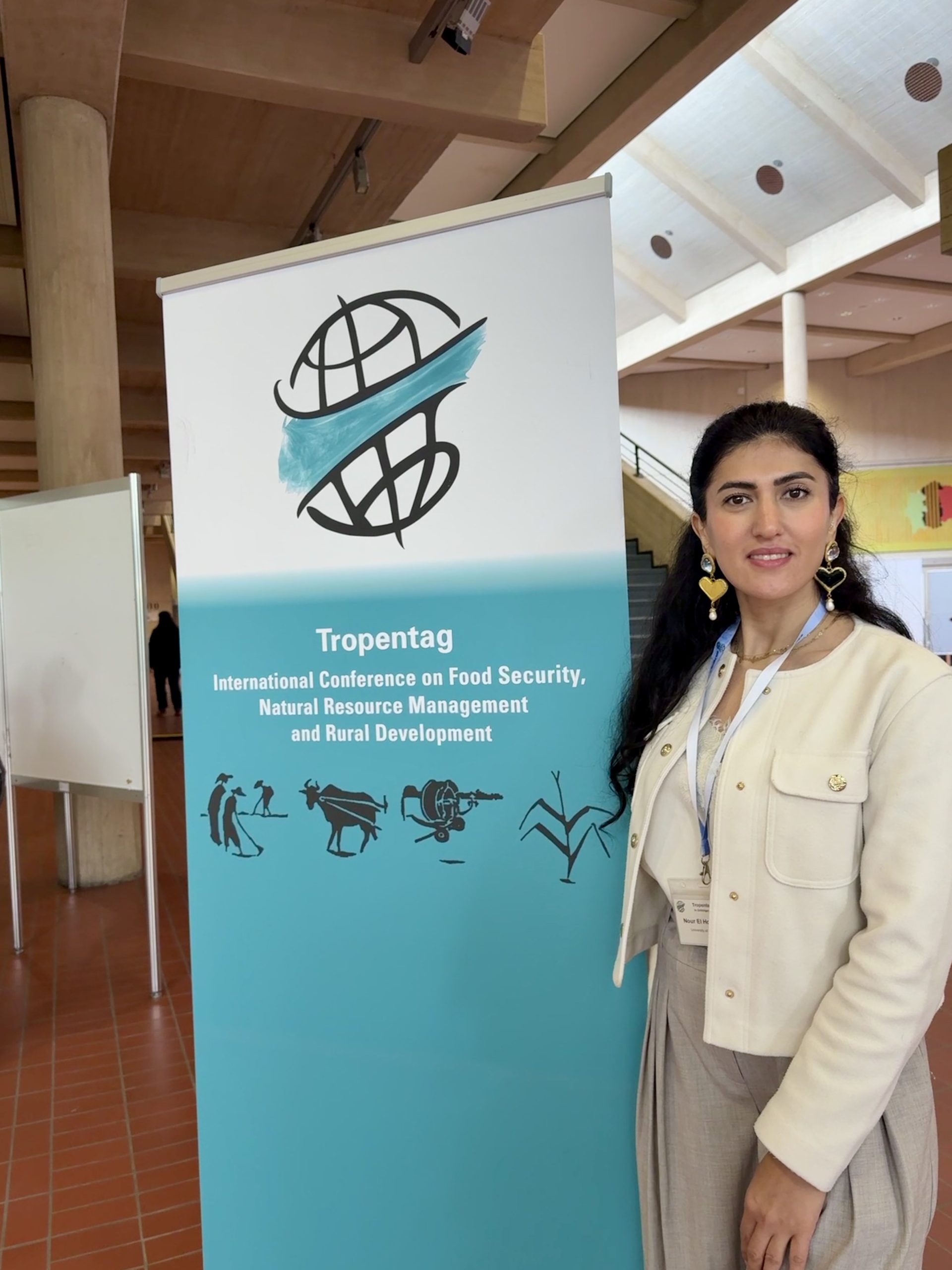
For Bedouin households in rural Lebanon, diversifying livelihoods does not always mean finding new opportunities. Nour El Houda Amhez’s research shows how economic crisis, limited employment and rising costs are pushing families to combine different sources of income simply to get by. At Tropentag 2026, her research on this survival-led diversification received a Best Poster Award. (Photo courtesy of Nour El Houda Amhez)
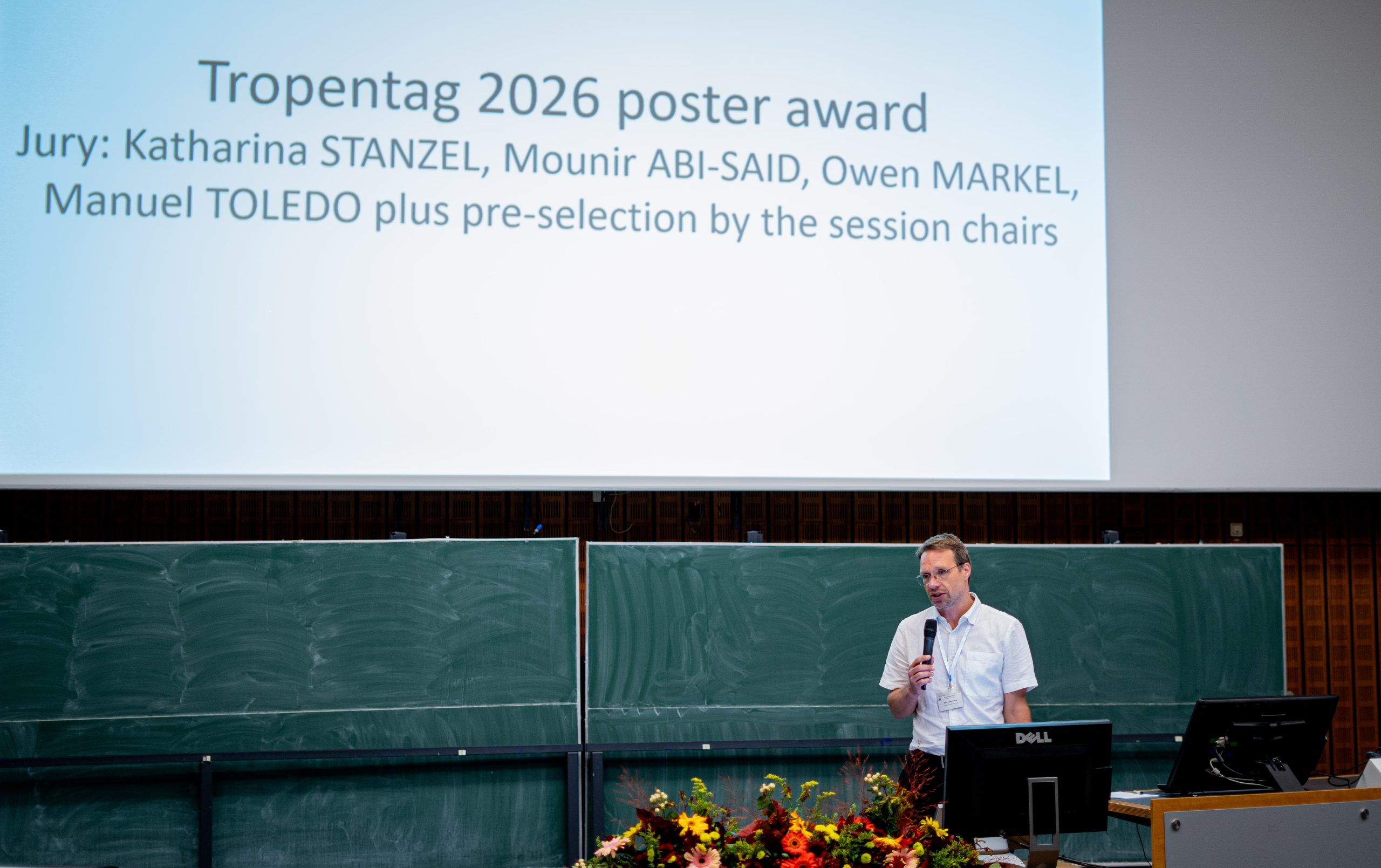
Five researchers were celebrated for their creative and engaging posters, showcasing diverse research from across the tropics and subtropics at Tropentag 2026. (Photo: Adesoji Adeyemi-Adejolu)
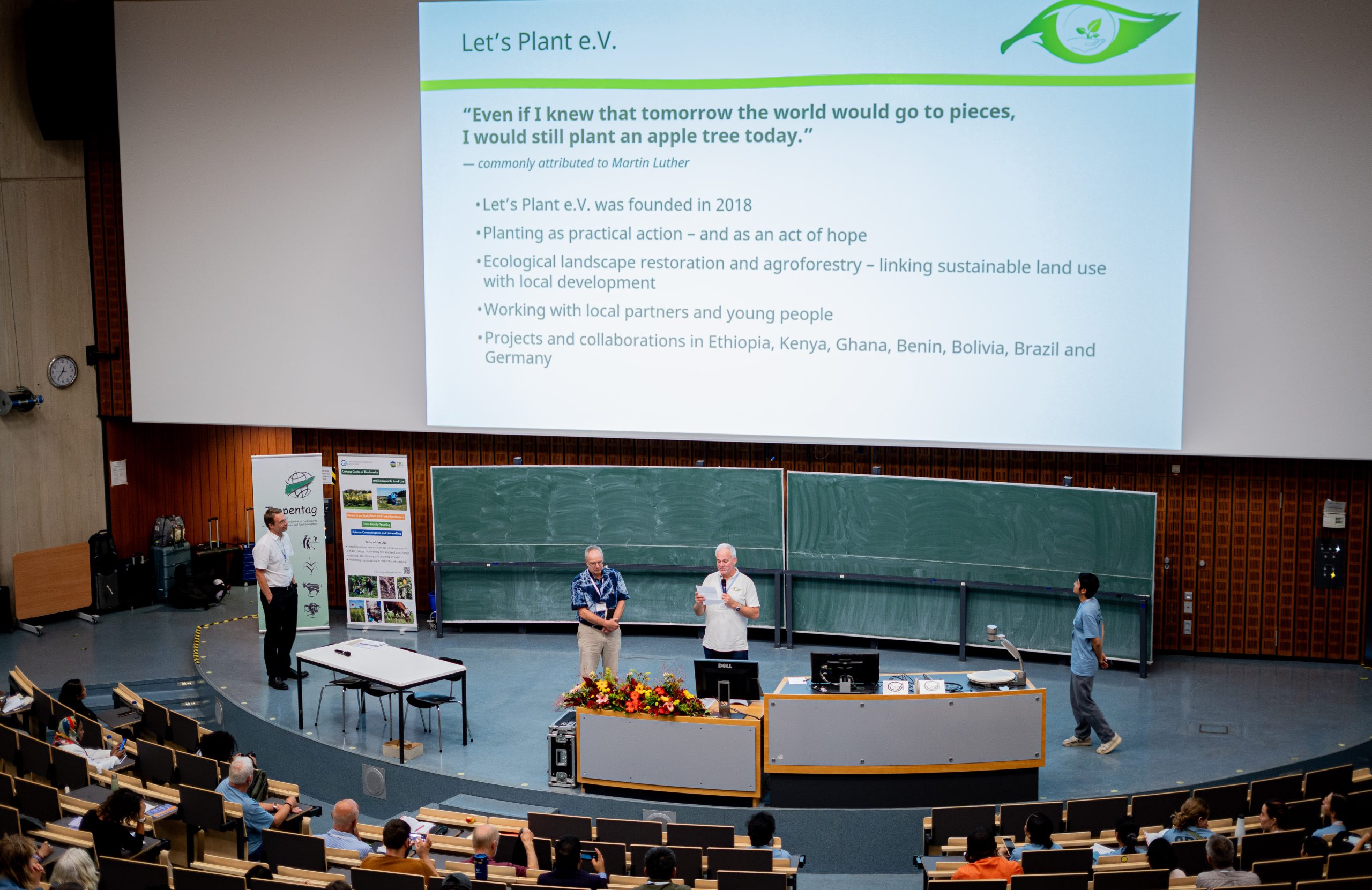
From planting and farming to restoration and resilience, the winning images of Let’s Plant bring stories of food, people and changing landscapes to life. (Photo: Adesoji Adeyemi-Adejolu)
João Vasco Silva, Junior Professor at the University of Hohenheim, uses agronomy and data science to understand why many farmers in sub-Saharan Africa harvest far less than their crops could yield. At Tropentag, he spoke
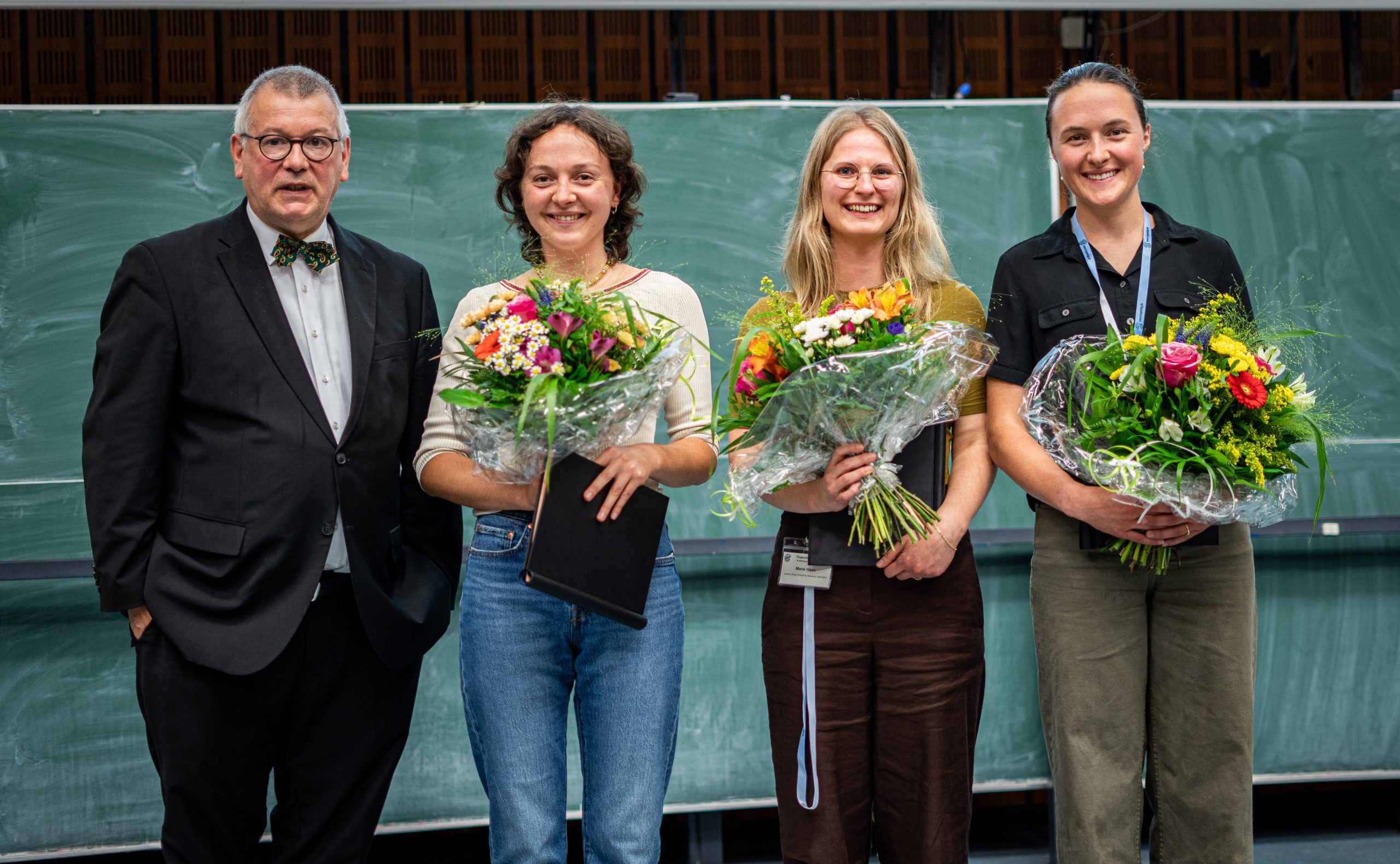
Three young researchers were honoured with the Hans H. Ruthenberg Graduate Award 2026 at Tropentag in Göttingen for outstanding research on potato breeding, nutrition and agroecology. (Photo: Adesoji Adeyemi-Adejolu)
The soil scientist and former Dutch senator and MP, whose career took him from Wageningen to the tropics and into parliament, urges early-career researchers to look beyond their experiments and read the colonial history that
The humble chocolate bar has to be one of the world’s favourite treats; with a 5,000-year-strong history, it has previously taken the form of a currency, a luxurious drink and even as a medicine. Chocolate
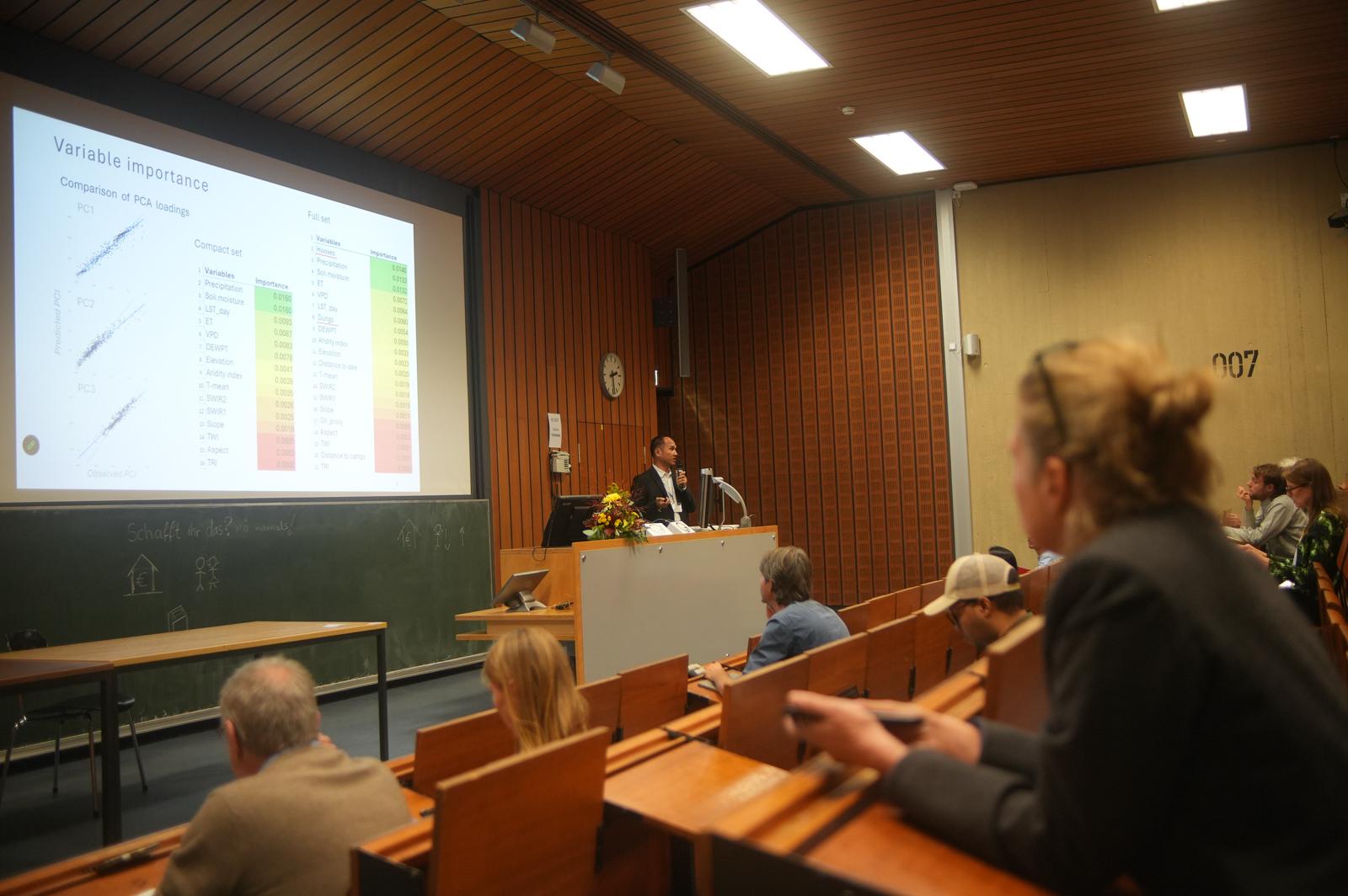
When a pasture looks degraded, is overgrazing really to blame? Research from Uzbekistan presented at Tropentag 2026 suggests that climate and moisture may play a much larger role than expected. (Photo: Ajit Masurkar)
It is Day Two of Tropentag 2026 and we are deep into the afternoon presentations. I am watching the 2 o’clock session by Dr Mouritala Sikirou, about optimising screening against brown streak disease in the
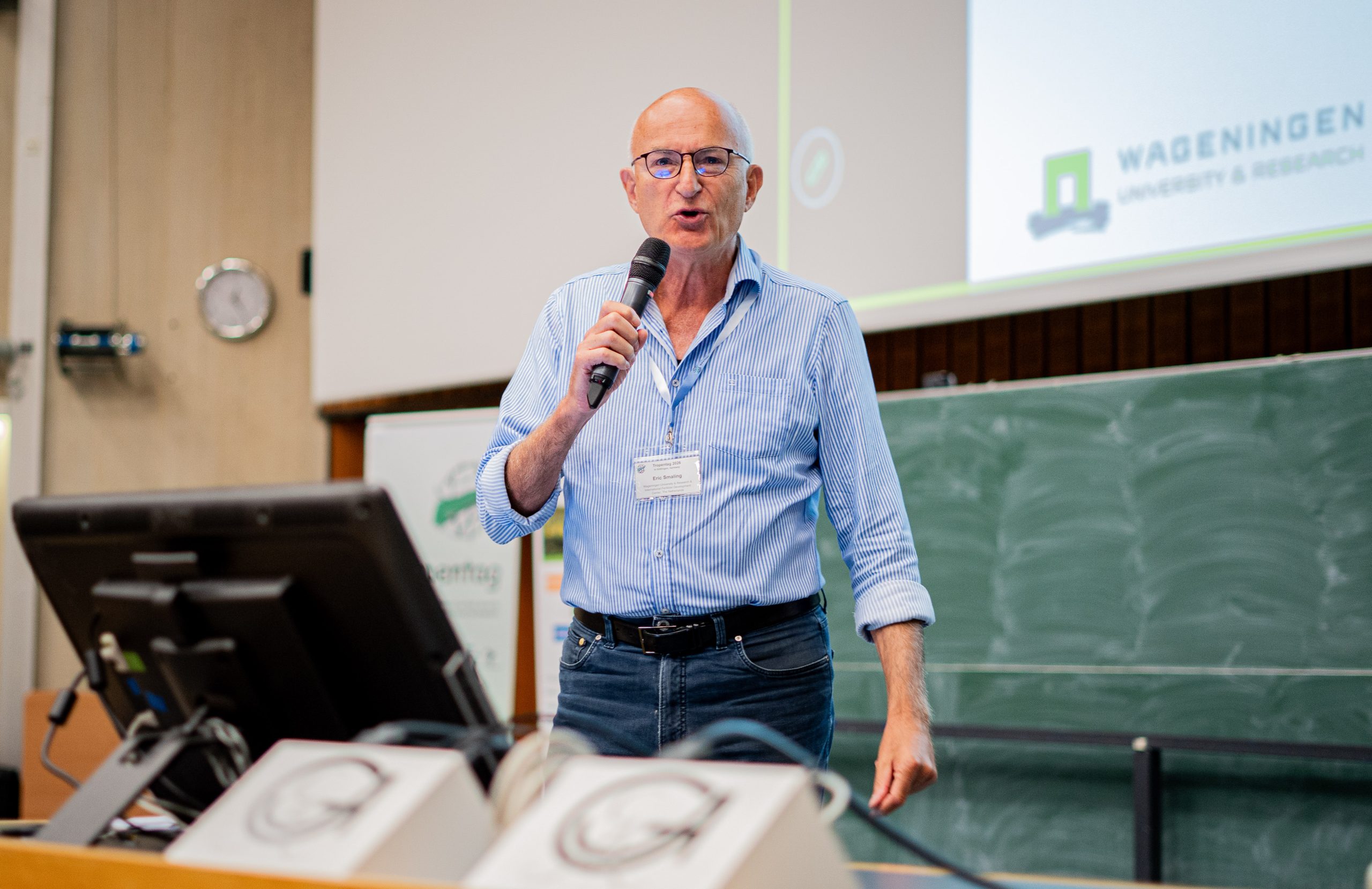
Now that conference has ended, what comes next? By Chidi Emenike By Friday afternoon, the posters came down, and the next Tropentag was formally handed over to the University of Giessen. The closing session in
View More