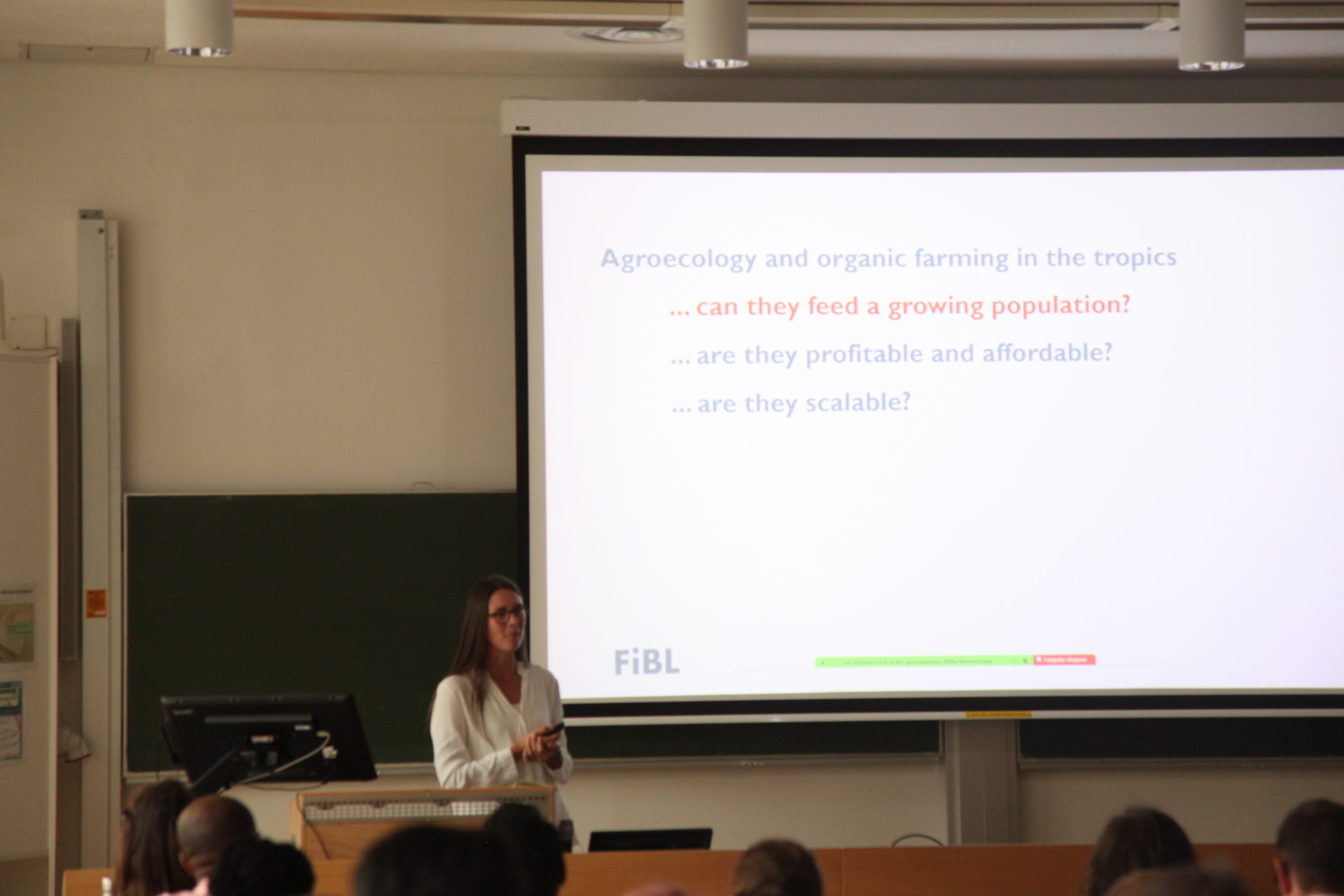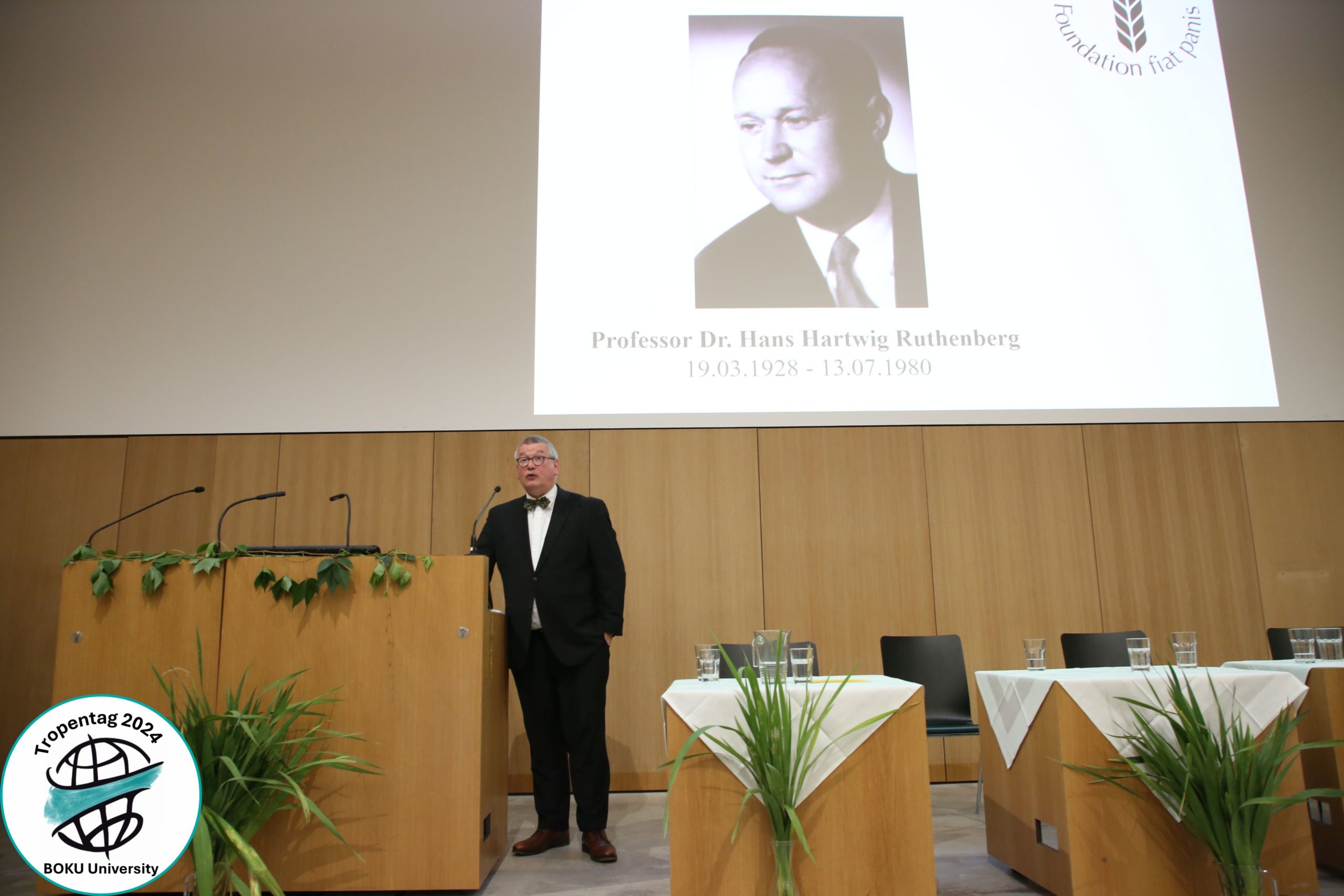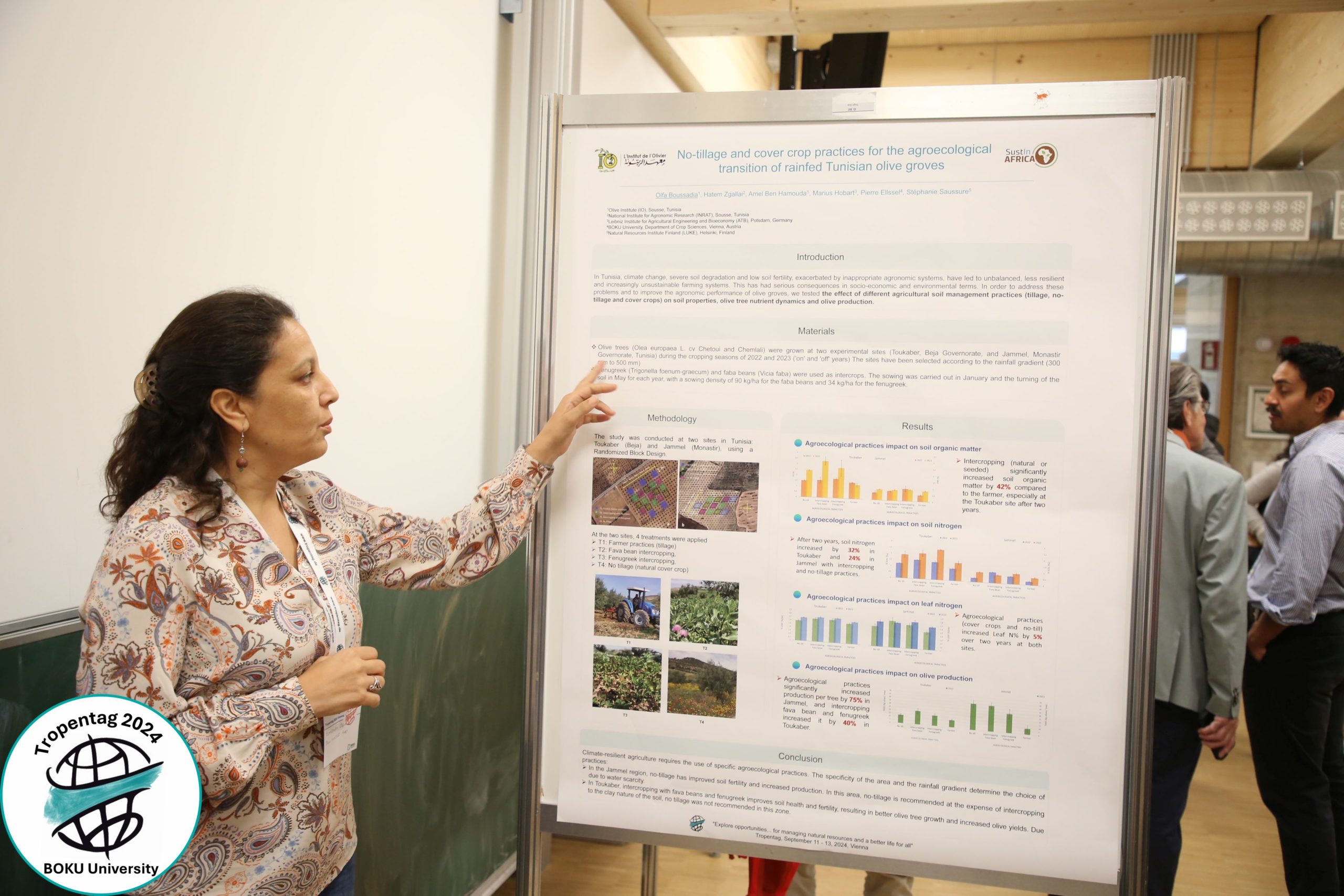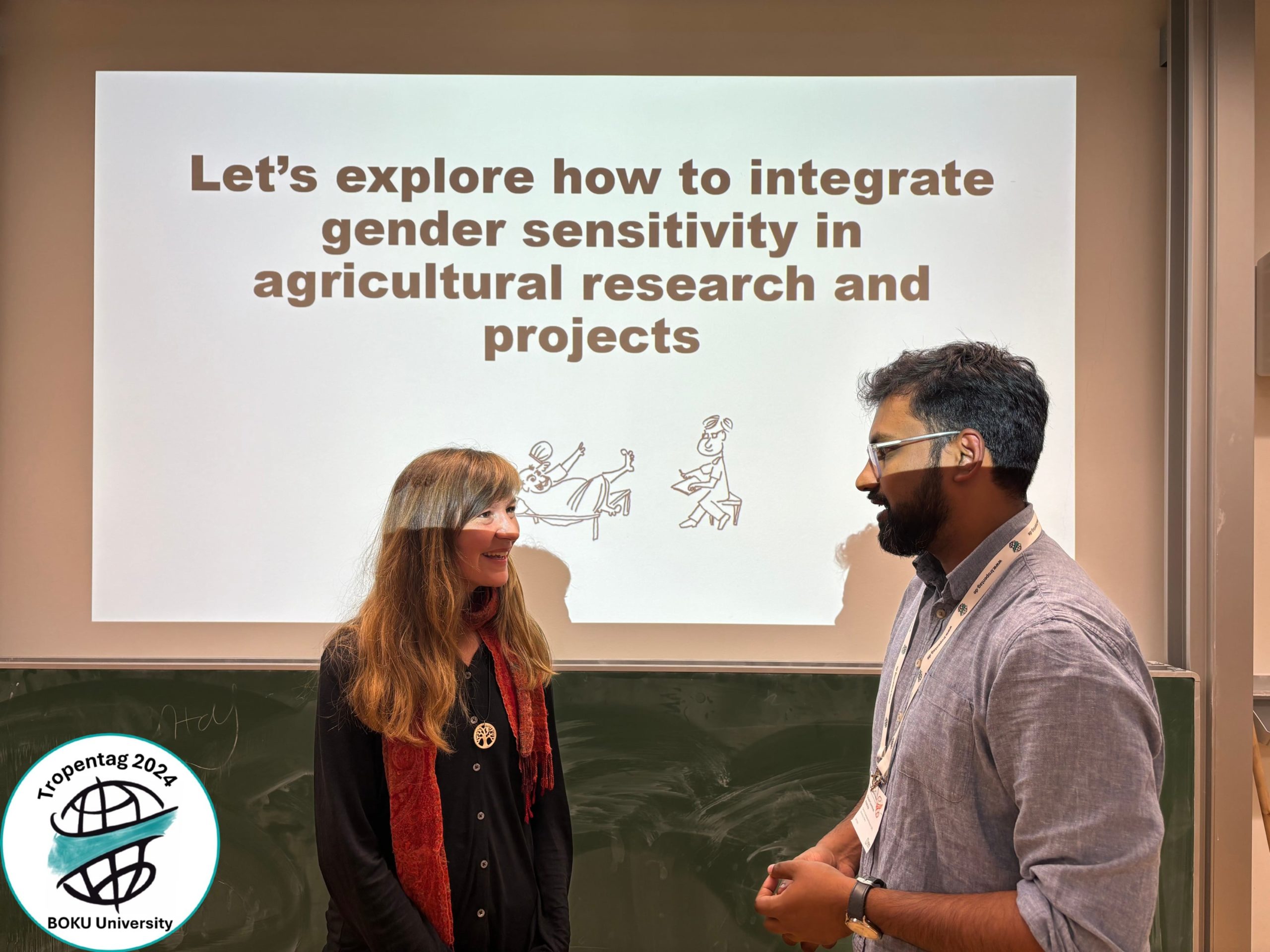
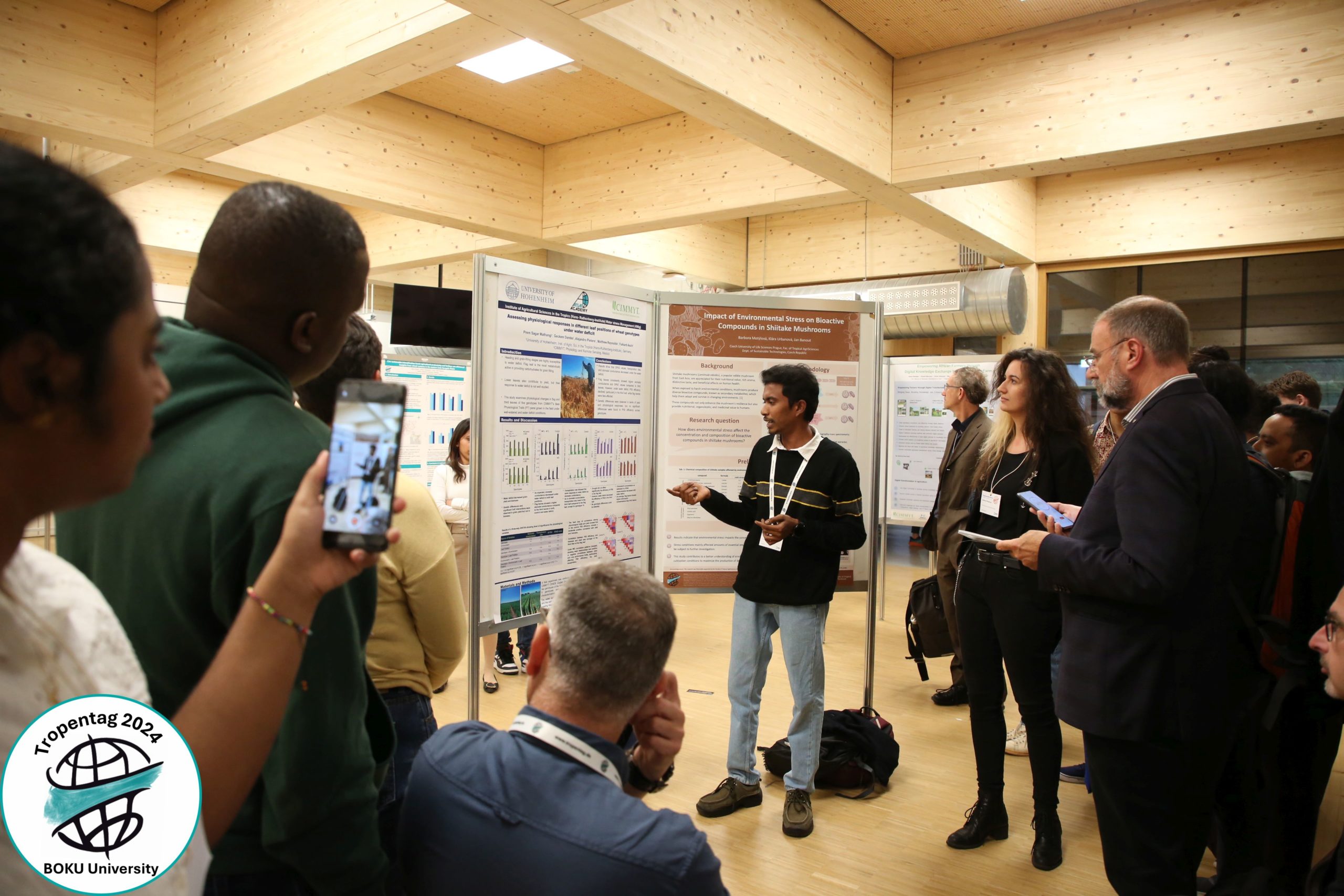
The oral presentations for this session were moderated by Dr. Regina Birner from the University of Hohenheim who introduced the speakers.
The first presentation was given by Kewin Bach Friis Kamelarczyk and he spoke about Indigenous and scientific knowledge. His research was focussed on local verses scientific knowledge about local forest change dynamics in the Zambian copperbelt. According to the speaker, both local knowledge and scientific findings should be integrated because they can not really be separated if success is to be achieved practically. He noted that the Zambian forest policy promotes the use of different kinds of knowledge in the management and use of forests. His research found that scientific knowledge is mostly mixed with other types of knowledge without giving actual source of information and that local people rely on nararatives which are mostly subjective perceptions based on experience and observations in the past. In most cases, he observed that these local ideas have not been documented.

Agroforestry has the potential to provide numerous benefits including; maintenance of soil fertility, reduction of soil erosion, conservation of water, carbon capture, biodiversity conservation, poverty reduction and contribution to food security - this is according to Mr. Martin Juvanov of GIZ. He was speaking during the GIZ session at Tropentag 2011 on the topic “agricultural research for development of sustainable land use based on agroforestry systems in semi arid areas in Bolivia”.
He started by explaining that land degradation and impact of climate change is a major challenge in Bolivia. He also referred to more frequent and more intense natural desasters like water scacity, drought in semi-arid regions, increase of hailstorms, flush floods, lanslides in highlands, increasing food insecurity, higher temperatures, and shorter growing season for farmers as major indicators of climate change impacts in Bolivia.
Technical and structural challenge
Mr. Juvanov also discussed some technical and structural challenges facing people in Bolivia as;
1. Non-sustainble use of natural resources
2. Reduction of productivity
3. Increasing of poverty among people
4. Insufficient exchange/flow of information and knowledge and
5. Inssuficient intersectional cordination
Set up of GIZ technical cooperation in Bolivia
He gave an overview of the work and involvment of GIZ in Bolivia citing their major roles as;
1. Implementation of national sector programmes

A short film depicting impacts of the Orissa Floods on land and livelihoods by Dr. Joe Hill (Tropentag October 6, 2011).
The Cyclone warnings on the radio were only sent out hours before it hit. The people of Orissa suffered significant losses and after the storm resided, their only resort was to salvage rice and coconut water. Relief aid only came 4-5 days later. This can almost be seen as an regular scenario in Orissa. Farmers have no land of their own, and if they do it's not fertile to grow enough. Farmers are also aware of their fertilizer use degrading their land fertility, but they have no choice despite the fact that it could cause the next floods to be even worse. Many farmers have resorted to fishing in order to survive but this too is not enough. While cyclones and floods wipe out any coastal aquatic life, industrial fishing in deep waters outside Orissa significantly reduce fish numbers coming into the coast, significantly reducing local fishermen's catch. On land, there is a lack of water and a lack of work.
"Every day is a struggle to make ends meet."

The talk entitled “sustainable management of resources in agriculture in a fragile and resource poor context” was presented by Jutta Schmiz who works with GIZ on a sector project aimed at sustainable management of resources and agriculture.
She started her talk by explaining that fragile ecosystems are either caused by nature or by human interference and that this usually affect ecosystems, making them unable to achieve their basic functions properly. She also noted that agriculture is not only a part of the solution but can also be part of the problem. According to her, agriculture can contribute to the solution but if done in the wrong way (using bad farming practices), it also increases the fragility of the ecosystem. The speaker noted that fragility is not only attributable to resources but that even countries can be in fragile conditions. She explained that nations or states can be said to be fragile when there are weak institutions which fail to provide basic services to the population and this is mostly in developing countries. Such fragile nations may experience problems such as; low water availability, soil infertility and unavailability of other resources needed for agriculture and healthy livelihoods.
Global challenges in Agriculture
According to Jutta Schmiz, agriculture faces numerous challenges which may slightly vary in different parts of the world. She mentioned some common ones as;
1. Rapidly growing population
2. Changing diets especially with more meat requirements

The thematic session on Crop Biotic Stresses on Friday 7 October, 2011 touched upon various research into crop production and crop management methods. While the results were also unique, the discussions at Tropentag focused their interest on the improvement of methodologies.
The impacts of crop management.
The session looked at the effects of Chlorpyrifos in Costa Rica and how they are having a negative impact on the children in the area. The exposure came from the use of Chlorpyrifos-bags used in banana and plantain Plantations. We were also introduced to the research through a microarray analysis of gene expression induced in tomato leaves. The genes were compared between treated/untreated/diseased/healthy tomato plants and observed for activation of plant resistance. Interestingly enough, someone in the crowd commented on the research and arrived at opposite results having done the same research. The debate was left up in the air… to be continued during the following coffee break.

Fellow presenters listening to their colleague's presentation.
Africa stricken with Striga!

Full involvement of local people is very necessary to ensure proper management of land for the benefit of local people, this is according to Tanja Pickardt. She was speaking during the GIZ session at Tropentag 2011 on the topic “participation of the local population in the context of large-scale land acquisitions and leases” .
She indicated that large scale land accusition is a big issue in most parts of the world especially in developing countries adding that the figures of land sales went up from 50 million hectares (published by the World Bank in 2010) to 80 million hectares (published by IFP in 2011). On a broader picture, she noted that 227 million hectares of land has been sold or leased since 2001 based on media releases and case study research.
According to Tanja, the focus of large scale land investment is in Sub-sahara Africa mostly for biofuel, food crop cultivation, industrial crops and livetock, as well as game farm and forestry.
Opportunities for large scale land investment
According to the speaker, it is generally agreed that investments in agriculture and rural development are urgently needed in developing countries but governments often do not allocate the needed resources to this sector. This means that private sector involvement is necessary but under what circumstances can private sector involvement help to realize oppportunities and to contribute to improve the living conditions of the local people? She mentioned some of the possible opportunities of land investment as;
Encouraging land degradation in pastoralist systems

Birgit Müller found that governmental subsidies promote the increase of stocking rate and grazing pressure of natural grassland of the High Plateau of Morocco. This policy creates land degradation and social conflicts. By using a ecological-economic model she assessed an alternative for range management: supplementation should use strategically on periods of scarce forage, but not as a way to increase animal stock. Then, after a year of drought, resting time for the recovering of the grassland should be applied. This strategic use of supplementation could avoid destocking (keep herbs size), and economical constrains for farmers and also keep the productivity and good condition of natural grasslands.
Cropping for caring land and avoiding social conflicts

Another strategy for the Jordan’s arid Badia region was presented by Steven Woods.

Water Resource Management Scenario… A boon or bane in India …
RAVINDER PAUL SINGH MALIK, IWMI talks about the water resource management scenario in India.
India’s turbulent water future:
“Rising population, growing economic activities, rapid urbanization, changing lifestyles, rapid increase in food demand, increase in bio- energy demand are the contributing factors, which put pressure on the available water resources.”
The two main questions addressed by him during the course of the presentation were:
1. What are the major water development and management challenges facing India?
2. What are the critical measures that can be taken to address these challenges?
Demand is more than the supply:
India is on the road to be hit by acute water scarcity if the water resources are not efficiently managed. India is the second populous country with unsustainable water management techniques which is a growing issue pertaining to the food security and economic development of the nation.
Looming challenges: