The Smoke We Don’t See: How Crop Burning May Be Harming Women’s Blood Health In India
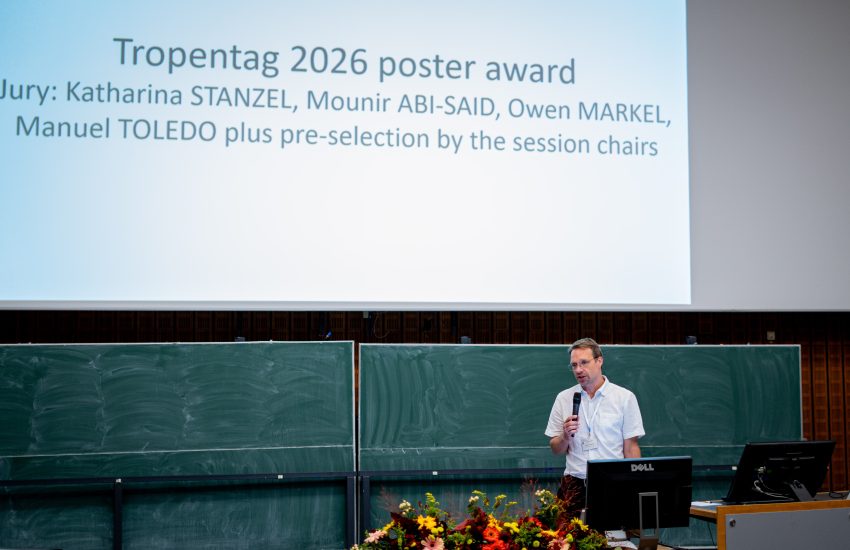
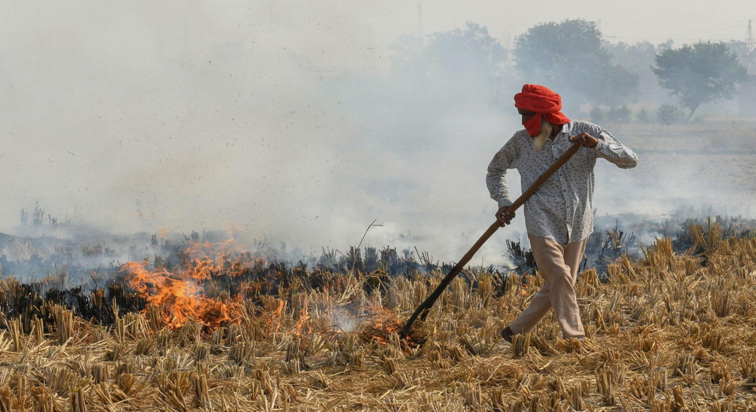
Every autumn, large parts of northern India experience a familiar environmental problem: farmers burn crop residues after harvest, sending large amounts of smoke into the atmosphere. The consequences are visible in satellite images and pollution measurements. But what about the consequences that are harder to see? A study presented at Tropentag 2026 by Bukola Da-Silva investigates whether smoke from agricultural burning affects women’s blood health, focusing specifically on hemoglobin levels and anemia. The researchers studied 47,783 women across 68 districts in eight states of the Indo-Gangetic Plain, one of India’s most densely populated and agriculturally important regions.
Following the Wind
Crop-residue burning is a major seasonal source of air pollution. It can contribute between 10% and 30% of PM₂.₅ in major cities across the Indo-Gangetic Plain, with contributions exceeding 50% during peak pollution episodes.
The timing is important. Satellite data show that fire activity rises sharply during October and November, coinciding with the period when the women in the study were interviewed. But simply observing that fires and poor health occur at the same time is not enough to establish a relationship. The researchers therefore used something much less obvious to track exposure: wind direction. The study takes advantage of the fact that wind determines where smoke travels. Fires located directly upwind of a community are more likely to expose people there, while fires located crosswind or in other directions contribute less to local exposure. The researchers combined information on agricultural fires, their distance from communities, and daily wind direction and speed. They then calculated wind-weighted smoke exposure over the 90 days before each woman’s interview. This approach allows the researchers to compare otherwise similar areas that experienced different levels of smoke exposure because of changing wind conditions. The results point to a measurable relationship between exposure to agricultural smoke and women’s blood health.
How Could Smoke Damage Blood?
Exposure to particulate pollution can contribute to inflammatory responses in the body. The study considers a mechanism in which inflammation increases hepcidin, a hormone that regulates iron availability. Higher hepcidin levels can reduce the amount of iron available for producing hemoglobin. This matters because anemia is not simply a number on a blood test. It can affect energy, daily functioning and overall health, making environmental exposure an important part of the wider public-health picture. One of the study’s broader contributions is its focus on agricultural burning as a source-specific pollution shock. The people affected by crop-residue burning do not necessarily live in the same places where the burning occurs. Smoke can travel with the wind, meaning that the health consequences of agricultural practices can extend into downwind communities.
What Does This Mean For Policy?
The findings suggest that reducing agricultural burning could have benefits beyond improving local air quality.Policies that help farmers manage crop residues without burning them could potentially reduce pollution exposure among downwind populations, including women who may never come into direct contact with the fields where the fires started. The key message is simple: a fire in one field can have consequences far beyond that field. Agricultural production, environmental pollution and public health are often treated as separate issues.
It comes to show why they may need to be considered together, especially in regions where seasonal crop burning affects millions of people.