Food Sovereignty at the core of a food system transformation for nature and people
The role agroecology scientists, in the Global South, can play in supporting Peasant-led Action.
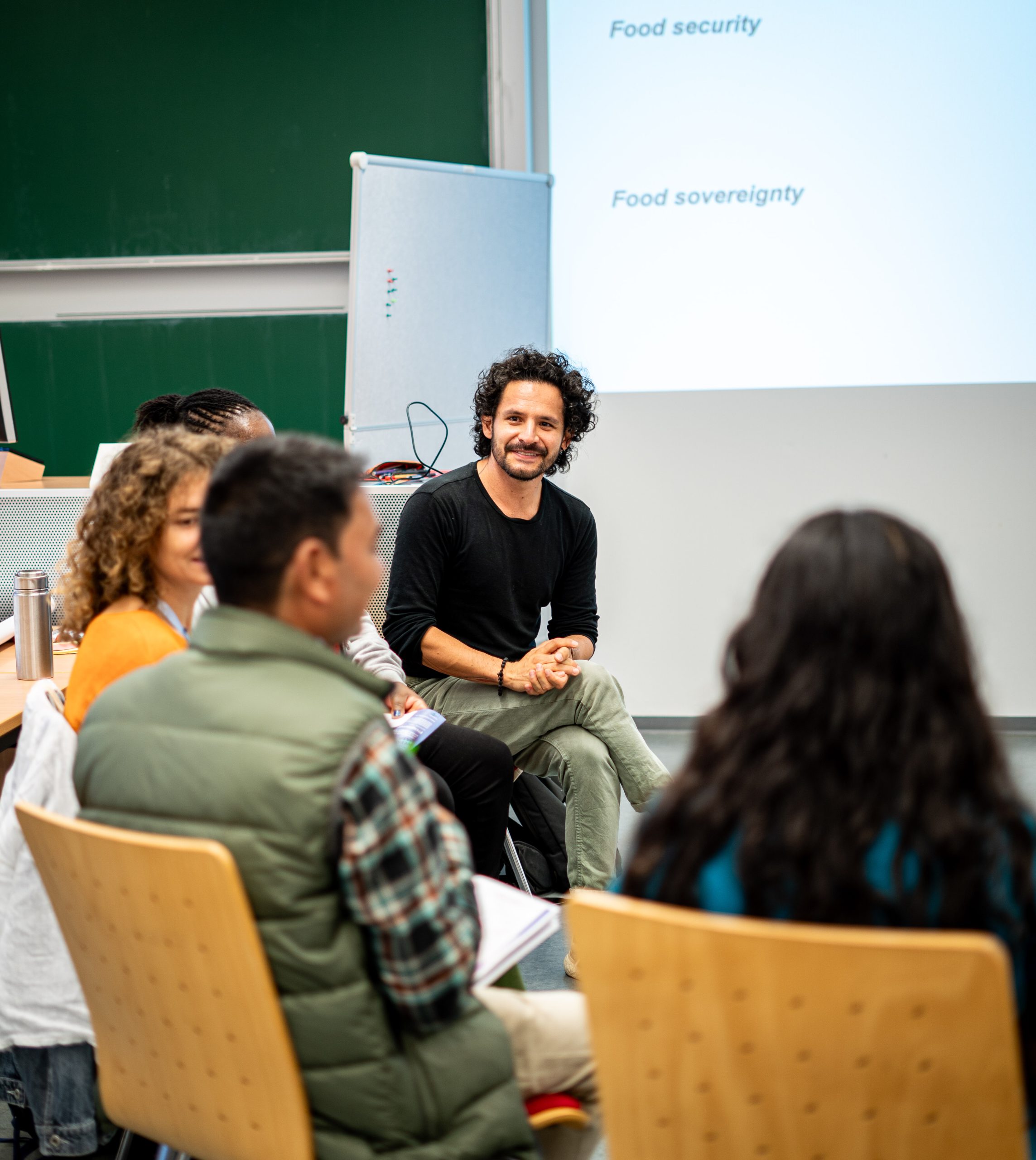
Manuel Toleda-Hernandez (Agriscope) hosted a workshop session to introduce an analytical framework led by a group of agroecology scientists from LATAM.
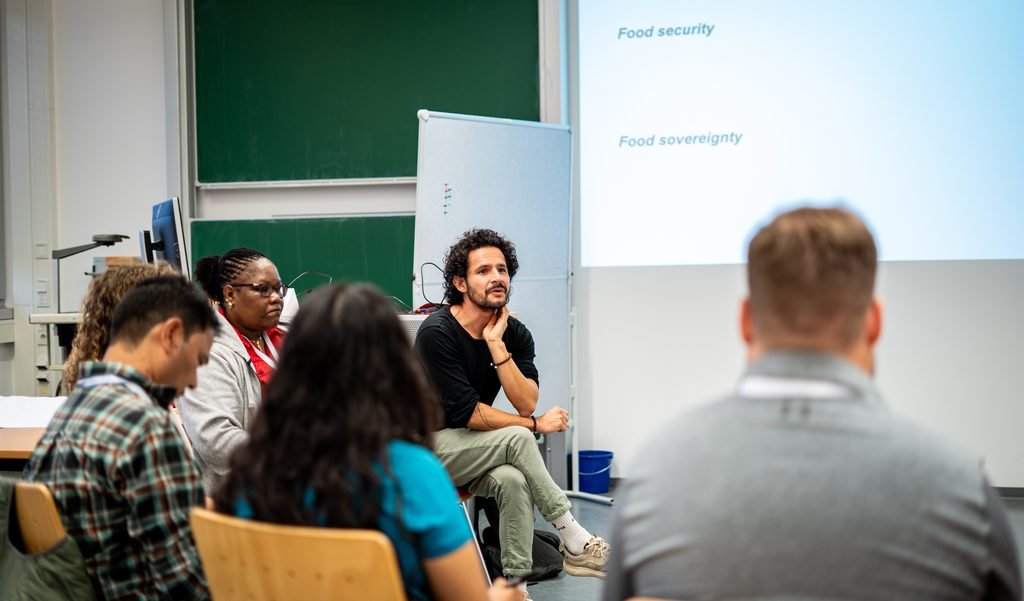
The session kicked off with a participant-led discussion on the different aims of food security and food sovereignty, and the transformative role of agroecology to achieve the latter. The conversation leant into how current systems are mostly controlled by what people consume with an agenda led by larger commercial interests. The cyclical nature of food sovereignty vs the hierarchical nature of corporate food systems highlighted by Hernandez as an alternative paradigm that hones in on four key dimensions: relationality, leadership, autonomy, and horizontality.
Sustaining peasant livelihoods and nature conservation is a core tenet of this approach but requires scientific support to integrate ecological processes, social organisation, and political agency. The LATAM Agroscope team proposes that agroecology scientists must play a key role as allies of peasant communities and peasant-led action to advance this framing.
What are peasant spheres?
There are three spheres of peasant-led action which encompass the practical, the political, and the personal. Agro-ecological resilience and the need to maintain traditional, conventional practices such as safeguarding seeds is a practical aim to enhance farm functions and climate resilience. Peasants advocating for sovereignty activates the political arm as it challenges corporate control for land rights and equitable local food policies. The last sphere focuses on identity and heritage, fostering social cohesion and maintaining cultural connections to the land with a forward look to empowering youth leadership.
How can the scientific community provide support?
To aid the transition, scientists can match the three peasant spheres as horizontal allies. Scientists can co-develop methodologies that adapt technical insights to local contexts while still respecting traditional knowledge and decision-making. Researchers can also translate evidence for advocacy by providing robust data on the benefits of agro-ecology to help grassroots organisations influence policy. Participatory monitoring and evaluation through co-designed indicators with indicators would also help with tracking socio-ecological and non-monetary contributions.
Hernandez shared a 4 point action plan for scientists to support the transformative aims of agroecology:
1. Auditing the current food systems
2. Co-developing and testing solutions
3. Co-monitoring and evaluating transformative changes
4. Bridging between science, policy and practice
Participants were encouraged to critically assess the usefulness of this framework and identify strengths, gaps, and limitations of its scope. It was pointed out that the steps could overlap, missed key elements of co-creating knowledge, and wasn’t entirely encompassing of all systems actors in bridging gaps. New or adapted frameworks can often feel misaligned or lack enough guidance to be implemented effectively. But the workshop helped achieve the aims of fostering dialogue among researchers as they assessed their own positionality and responsibility, and began the initial steps of expanding the set of principles for supporting agro-ecological transitions toward food sovereignty.