Women farm the system, but they rarely design it
Gender exclusion isn’t incidental, it’s built into how innovations land and finance are designed.
2026 is the International Year of the Woman Farmer, spotlighting the role of women from production to trade in farming systems that often fail to recognise their vital inputs. This was the key theme of the BMZ session on science and innovation for women farmers: pathways to climate-resilient, multifunctional agri-food systems.
Theresa Herbold (Senior Policy Advisor, Federal Ministry for Economic Cooperation and Development) opened the stage with a poignant question: How can innovation respond to specific needs of women farmers, especially youth?
We live in a world where women own less than 50% of land titles, lack consistent access to financial capital or resources, and have restricted decision-making power and leadership, yet are still expected to feed their families and provide unpaid care work. But science tells us that ensuring women’s equal participation could increase agricultural yield by a quarter and reduce hunger. There are scalable and efficient solutions but a gap still persists and we find ourselves in a position realising that these barriers are not marginal, they are indeed structural.
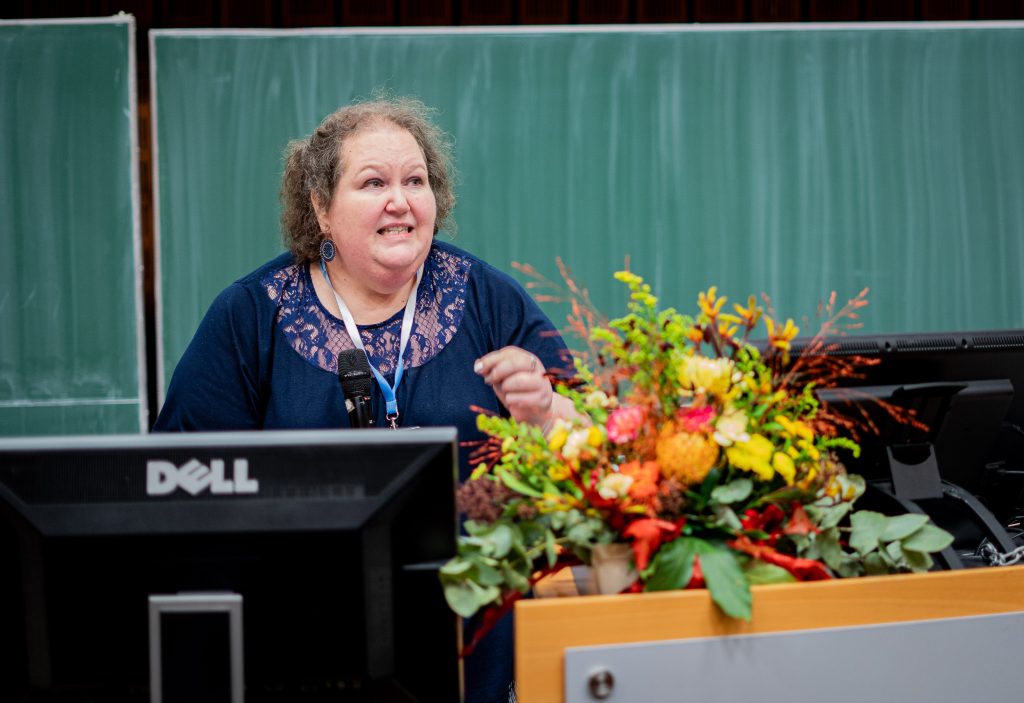
GESI…GEYSI…GEDSI..GEI…
Gender Equality and Social Inclusion goes by many different acronyms but Karen Nortje (IWMI) highlighted that there are three main jobs for research in this system: Diagnostic, Co-Design, and Impact.
Diagnostic work focusing on surfacing where and why women are excluded in areas such as land, technology, and finance. Co-design fixates on how we work looking into gender transformative tools and innovations that shift agency, not just access. Impact is how we know what we know and translating it effectively for impact.
Nortje went on to spotlight the types of solutions GESI Accelerator seeks to develop:
- Enhancing agency and empowerment
- Promoting equitable resource rights and livelihoods
- Fostering equitable and inclusive norms
- Amplifying voice and influence in institutions and governments
Gender Transformative Socio-Technical Bundles (GT-STIBS)
Socio-technical innovation bundles pair technical solutions with the social, institutional and normative components it needs to actually work for women. Crucially, women’s needs are not designed as an add-on but from the very start. There is a shift required in viewing improvement of women’s access to a tool to thinking about they how hold decision-making agency over it. GT-STIBS have been applied to diversified rice-based systems to reach and benefit women through labour norms, land access, and extension pathways.
Vision to Action
One of the takeaways from the session was that Gender Equality and Social Inclusion can be embedded across the process. It all starts with using gender and intersectional analysis to identify who is included, excluded and affected, and able to influence landscape decisions. The idea of shifting agency and power requires moving beyond simply ‘improving access to resources’ and instead places an emphasis on strengthening voice, agency, decision-making power and collective action.
Polyvocal Spaces
It’s equally important to open up dialogue and encourage spaces for women, youth, and marginalised groups to gather and share knowledge to help shape priorities, solutions, and action. A follow-up action to this is making sure that differentiated outcomes are tracked to monitor who benefits, who is left behind and how interventions can contributed to more equitable outcomes.
Why are we still not seeing meaningful change?
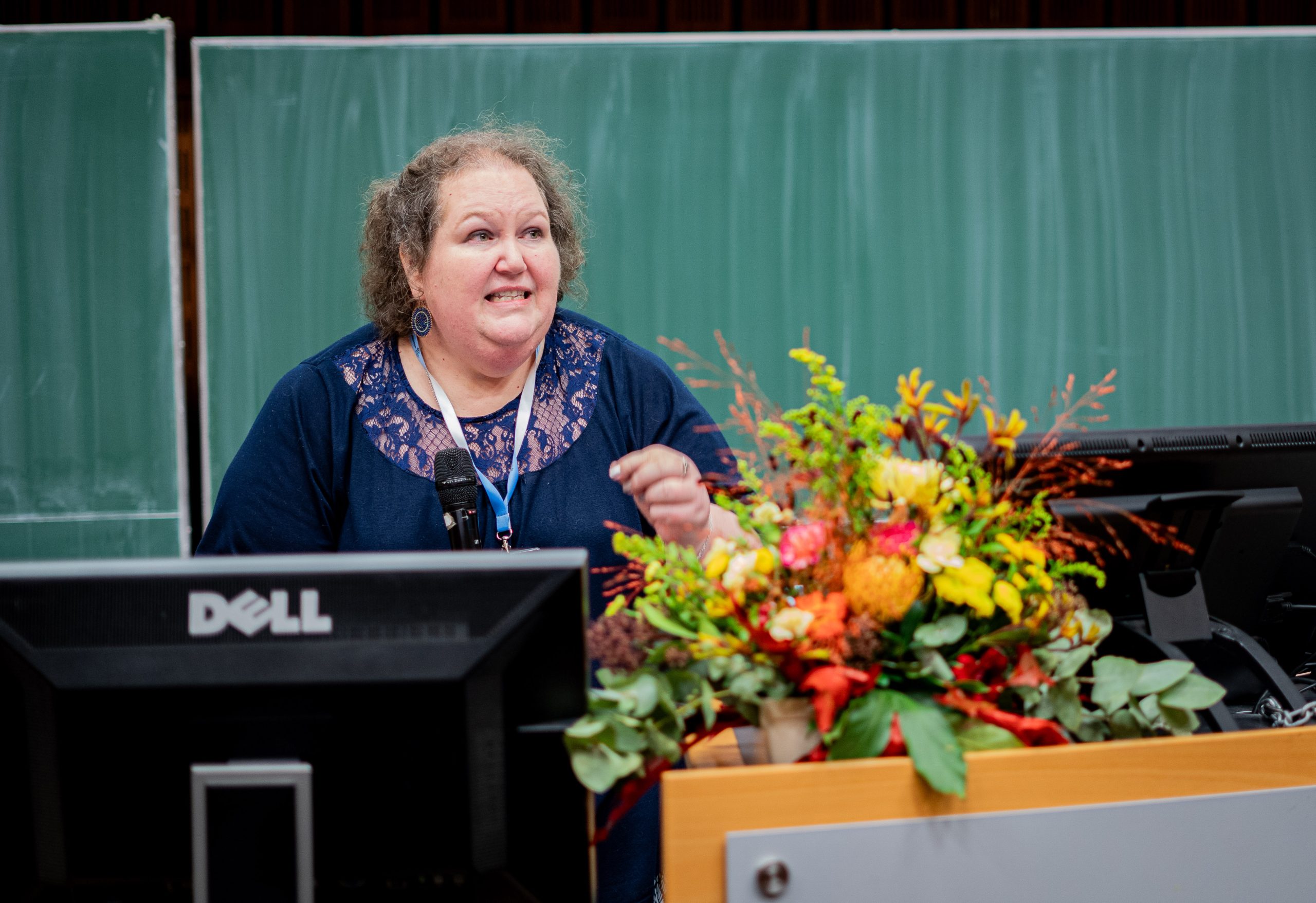
In 2026, it is incredible to witness the progress we have made but also what hasn’t changed. Barriers still exist that are continually ignored and there are new and evolving challenges such as leaky pipelines and youth migration patterns out of rural livelihoods and farming systems. Genna Tesdall (Director of Young Professionals for Agricultural Development YPARD) left the room with a frank and actionable message:
“We know things are dire, things have not moved for decades, we don’t know where to start amidst this. We are like lone fish in a big ocean swimming upstream — but this room here is meant to bind us together in this fight — for making the world in general a better place. We can do this with courage, it doesn’t cost anything but it does take us being vulnerable.”