The Genetic Mystery Behind the Survival of the Wild Camel
Deep in the remote Gobi deserts of Mongolia and China lives an animal that is unlike almost any other. The wild camel (camelus ferus) is the only surviving wild species of the Camelini tribe, but its future is far from secure.
Climate change, habitat disruption and its naturally small population all threaten its survival. Now, scientists are investigating another complicated question: What happens when wild camels mix with their domestic counterparts?
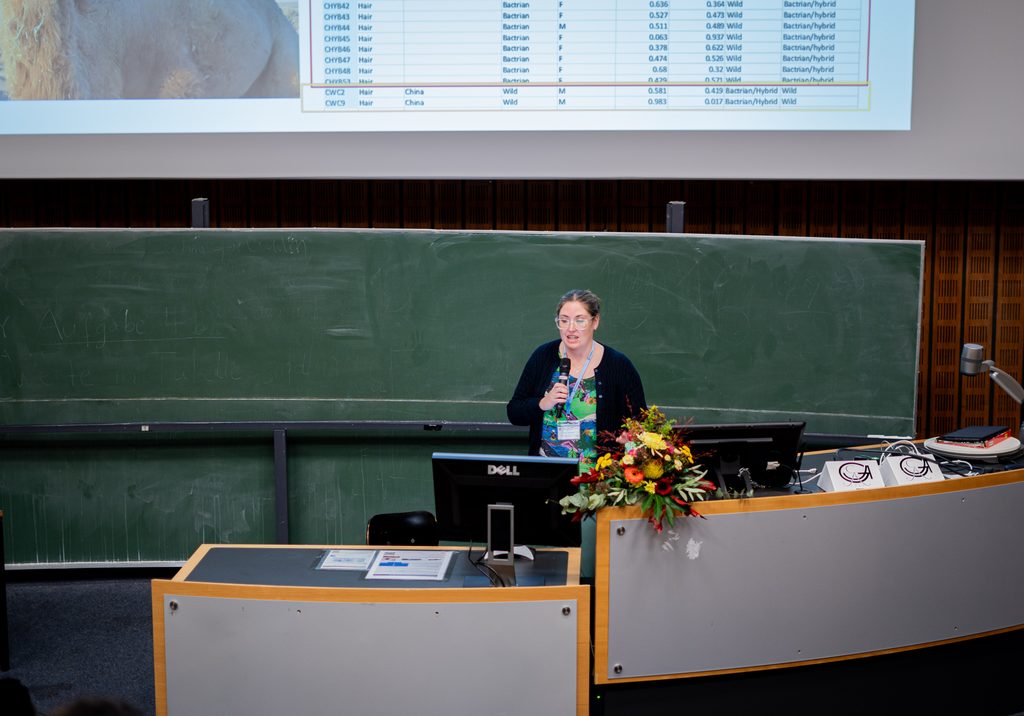
A new genetic study by Anna Jemmett and colleagues looks at exactly this issue, analysing DNA from 257 wild camels,using predominantly non-invasive samples collected from wild populations in Mongolia as well as animals kept in captivity.
What Does the DNA Tell Us?
The researchers used nuclear DNA markers and mitochondrial DNA sequencing to investigate genetic diversity and traces of Bactrian Camel ancestry.
Their findings revealed evidence of nuclear and historical wild camel intergression in the wild population. Some individuals in an ex situ herd also showed signs of introgression. Among the in situ population, nuclear introgression was detected in approximately 10-22% of individuals. The genetic evidence also indicated that paternal introgression was the predominant source of Bactrian Camel ancestry in both wild and captive populations.
A Small Population With a Big Genetic Problem
The wild population showed elevated inbreeding, with similar patterns also observed in the ex situ herd.
For a species already living in small and isolated populations, this is an important conservation concern. Low genetic diversity can reduce a population’s ability to adapt to changing environmental conditions and can increase the risks associated with inbreeding. This creates a fascinating conservation dilemma.
If genetic mixing with domestic camels is seen only as contamination, conservation efforts could focus on eliminating or minimising introgression. But if some genetic mixing increases genetic diversity or population viability, removing every trace of it may not necessarily produce the desired outcome.
Is Hybridisation Always Bad?
Not necessarily.
Hybridisation is often treated as a threat because it can alter the genetic identity of endangered species. However, the study highlights that hybridisation can also potentially contribute positively to population viability.
That does not mean that all hybridisation is beneficial. Instead, it shows why conservation decisions need to consider the extent and consequences of intergression, rather than relying on an arbitrary threshold for how much genetic mixing is acceptable. For the wild camel, every percentage point of genetic introgression tells only part of the story. Scientists also need to understand whether that genetic material affects the health, reproduction, adaptation and long-term survival of the population.
The Future of the Wild Camel
The Wild Camel’s survival depends on more than protecting individual animals. It also depends on understanding the genetic landscape of an already vulnerable species. For one of the world’s most threatened and least understood wild camel species, understanding its DNA could be just as important as protecting the desert it calls home.